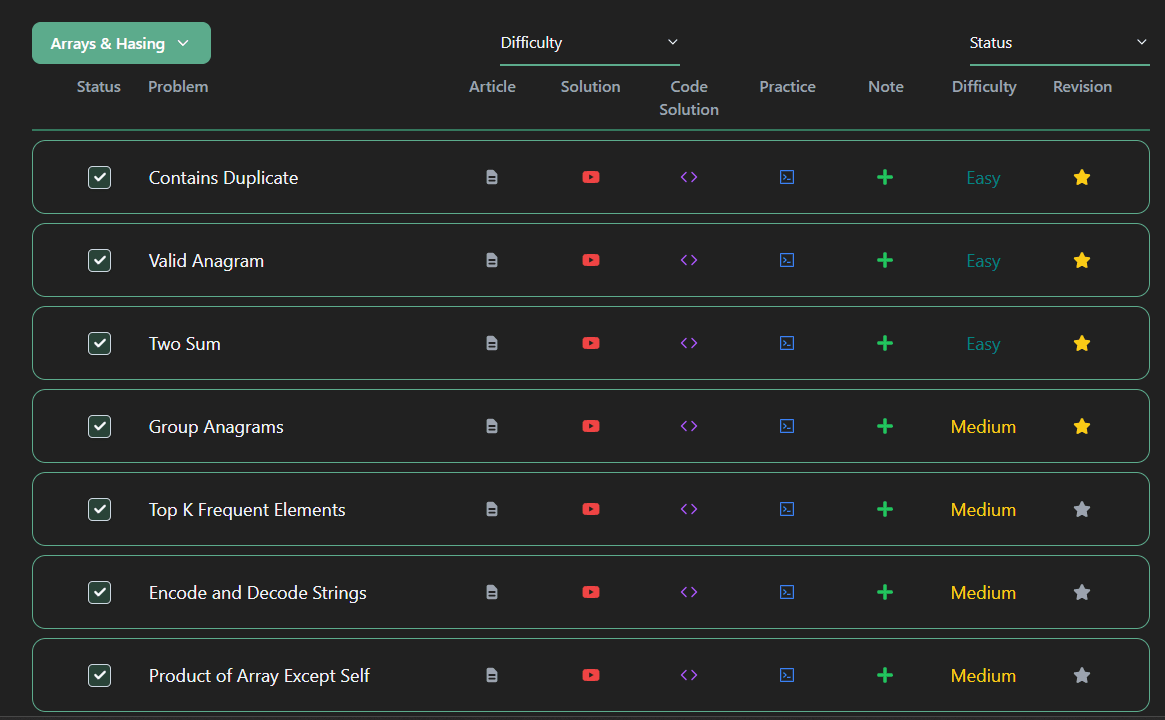
CODEX
A study platform for data structures and algorithms, with a topic roadmap, practice questions and explanations. Students track progress, attach notes to problems and collect difficult questions for revision, so the next study session starts with a clear place to return to.
- CONTEXT
- College project
- ROLE
- Creator and full-stack developer
- CLIENT
- React and Tailwind CSS
- BACKEND
- Django and relational data models
Overview
CODEX helps students organise their practice in data structures and algorithms. A topic roadmap leads into questions and explanations, with personal notes and revision tools attached to each problem.
I started it as a college project after seeing how easy it was to lose track of scattered learning resources. The React client and Django backend keep the question catalog separate from each student's progress and personal notes.
Why I built it
My classmates and I had access to plenty of questions and videos. The harder part was choosing a sequence, recording what we had understood and returning to problems that still needed work.
CODEX grew out of a third-semester assignment. I used that opportunity to build a study tool with a visible route through the topics and a place to keep the details of a practice session.
The problem
A completed checkbox records activity, but a student may still want to revisit the reasoning or a particular optimisation. A question list needs room for that distinction.
The content and the learner's state also change independently. A shared question can have a topic, difficulty and solution links, while each user has their own completion status, revision choices and notes.
The solution
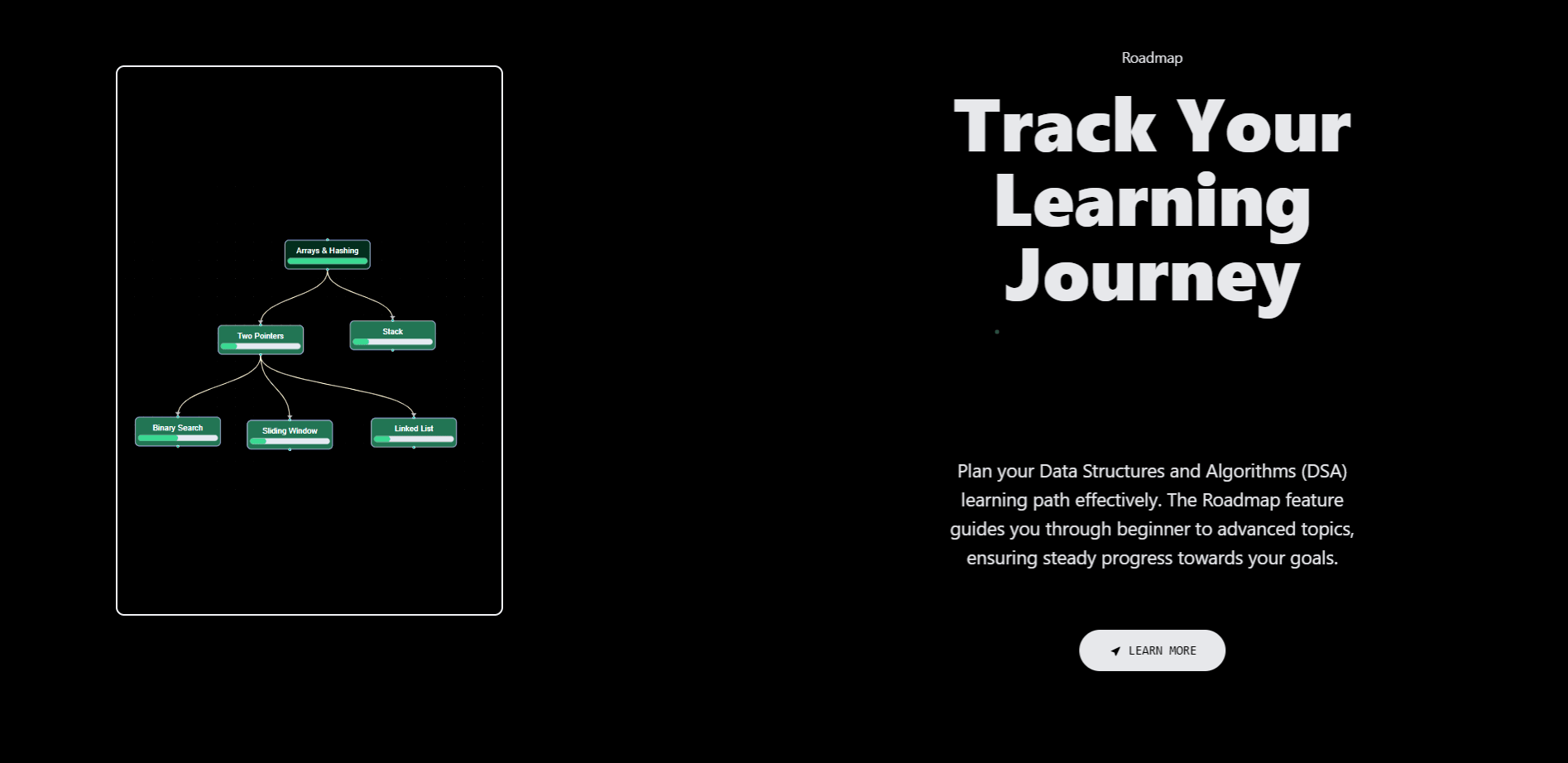
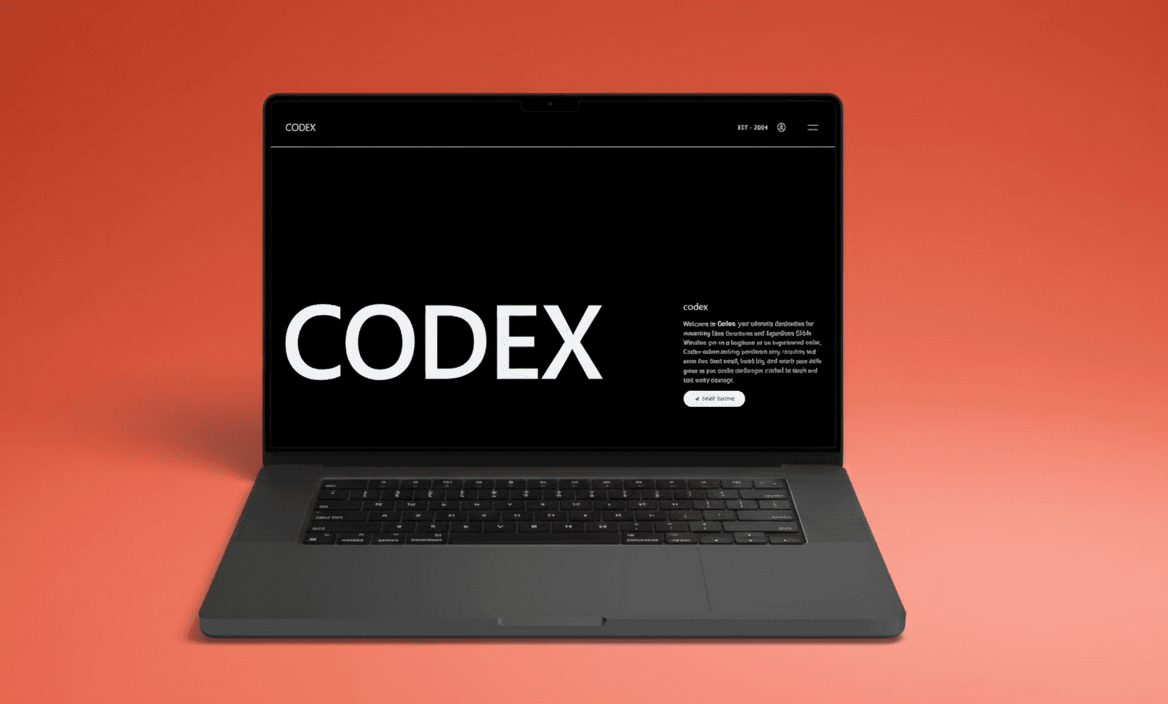
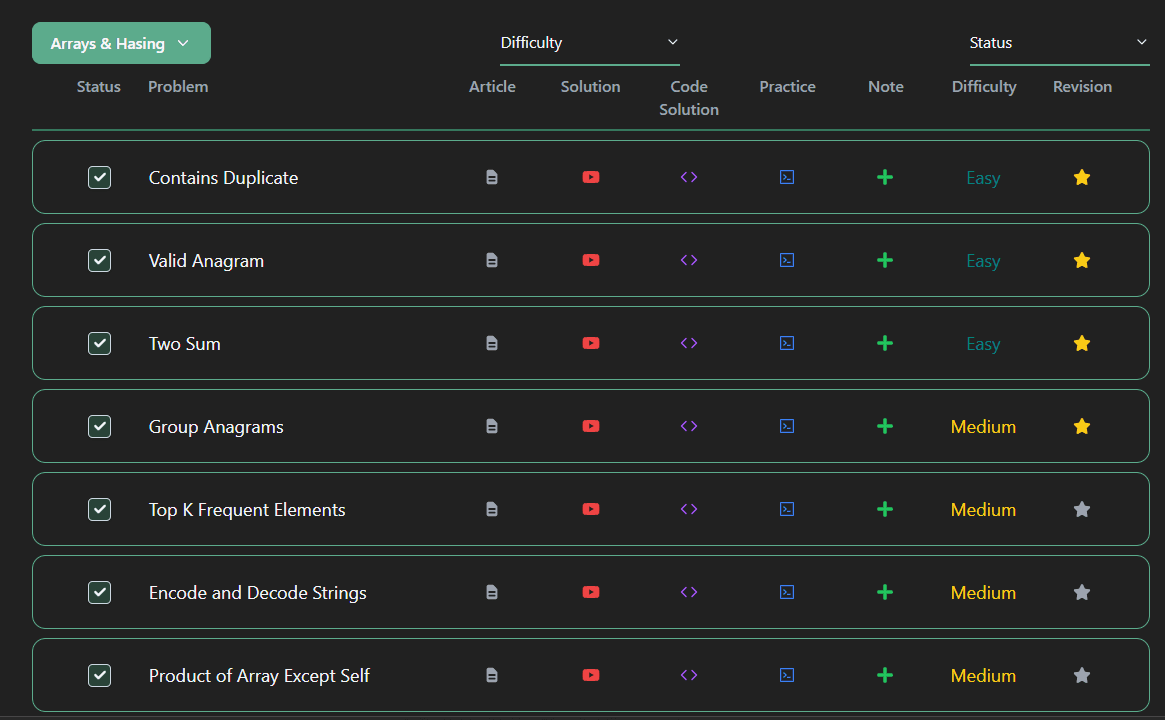
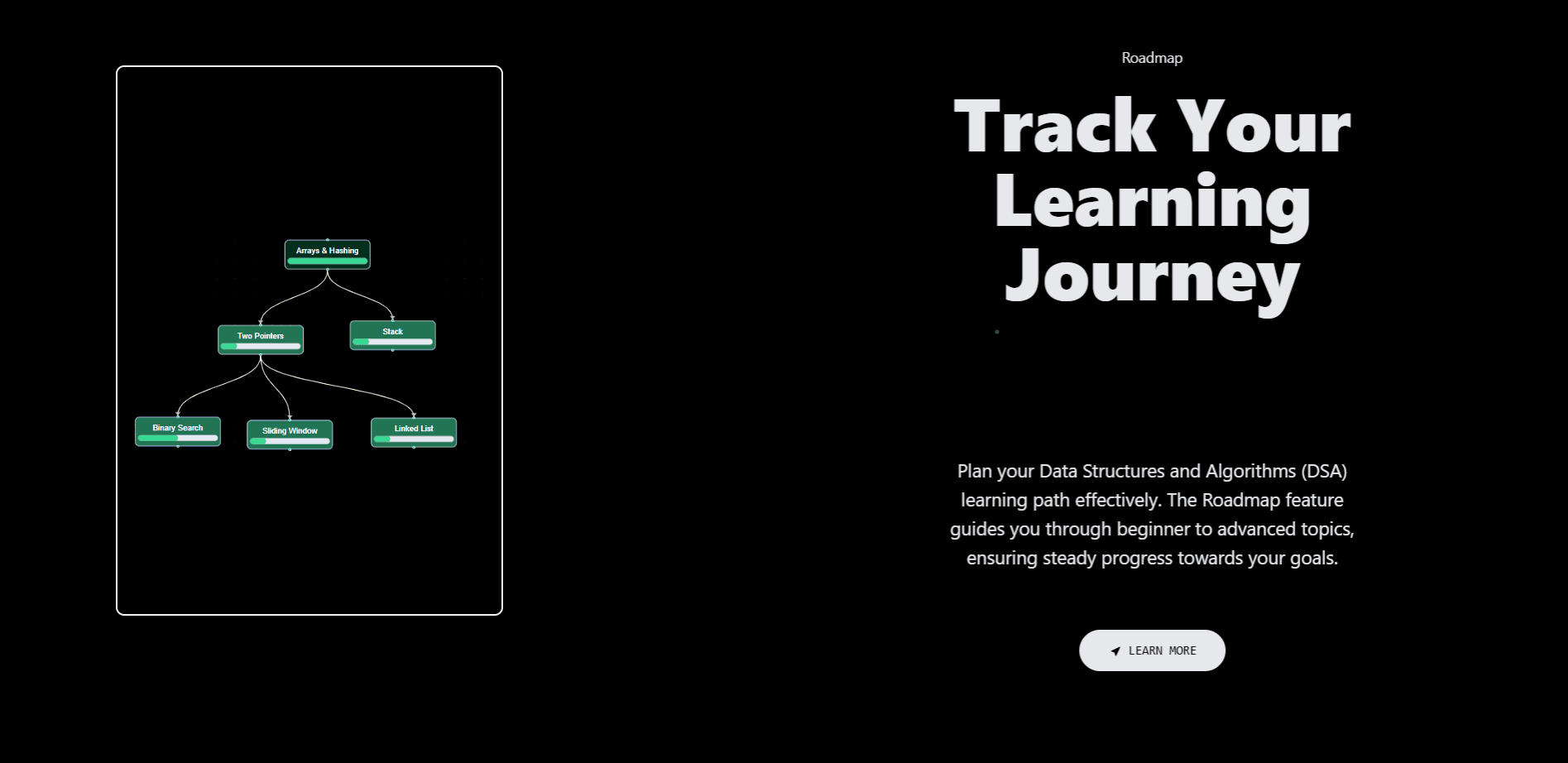
The topic roadmap helps students choose an area to study. Question pages link the problem to written material, code and video explanations, with external practice links where available.
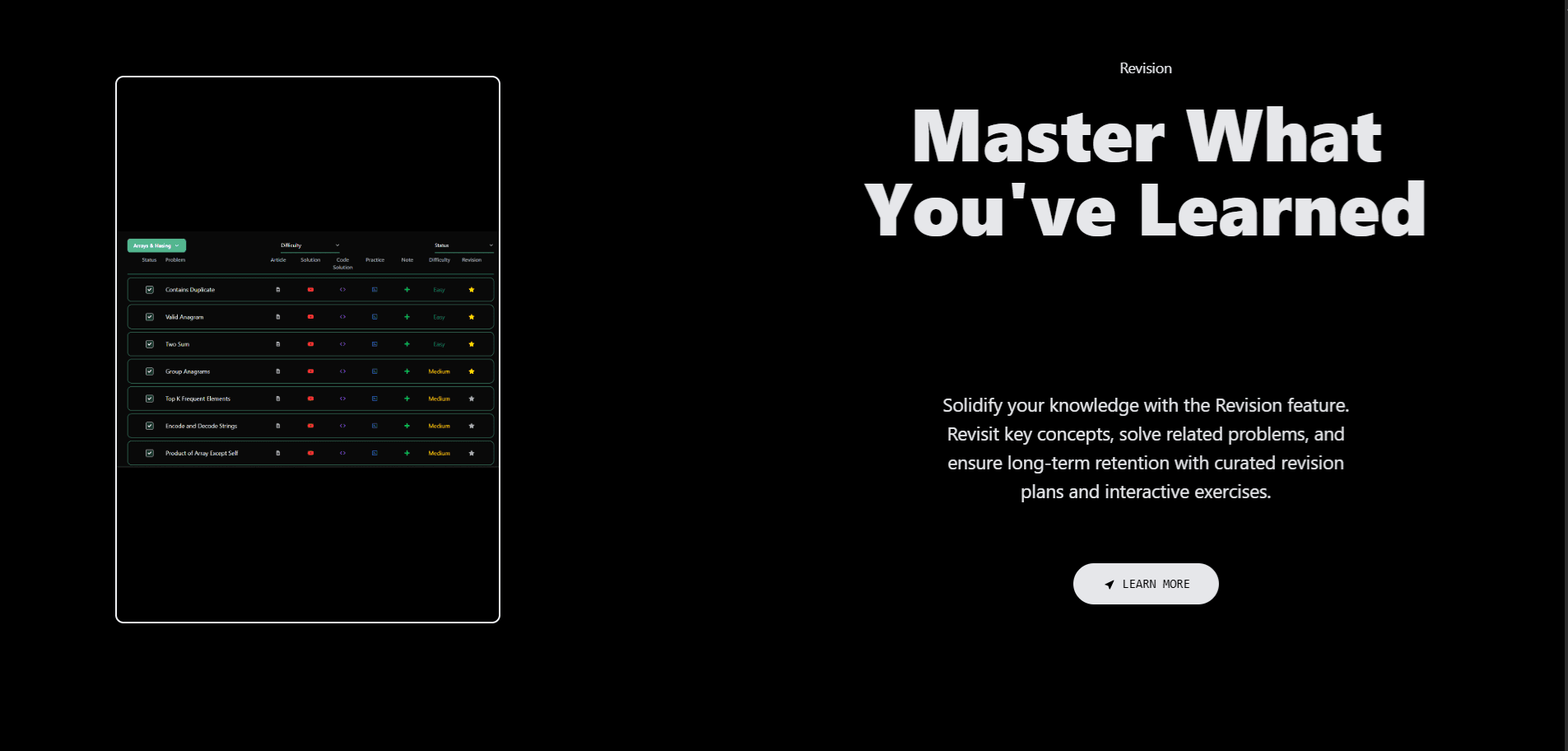
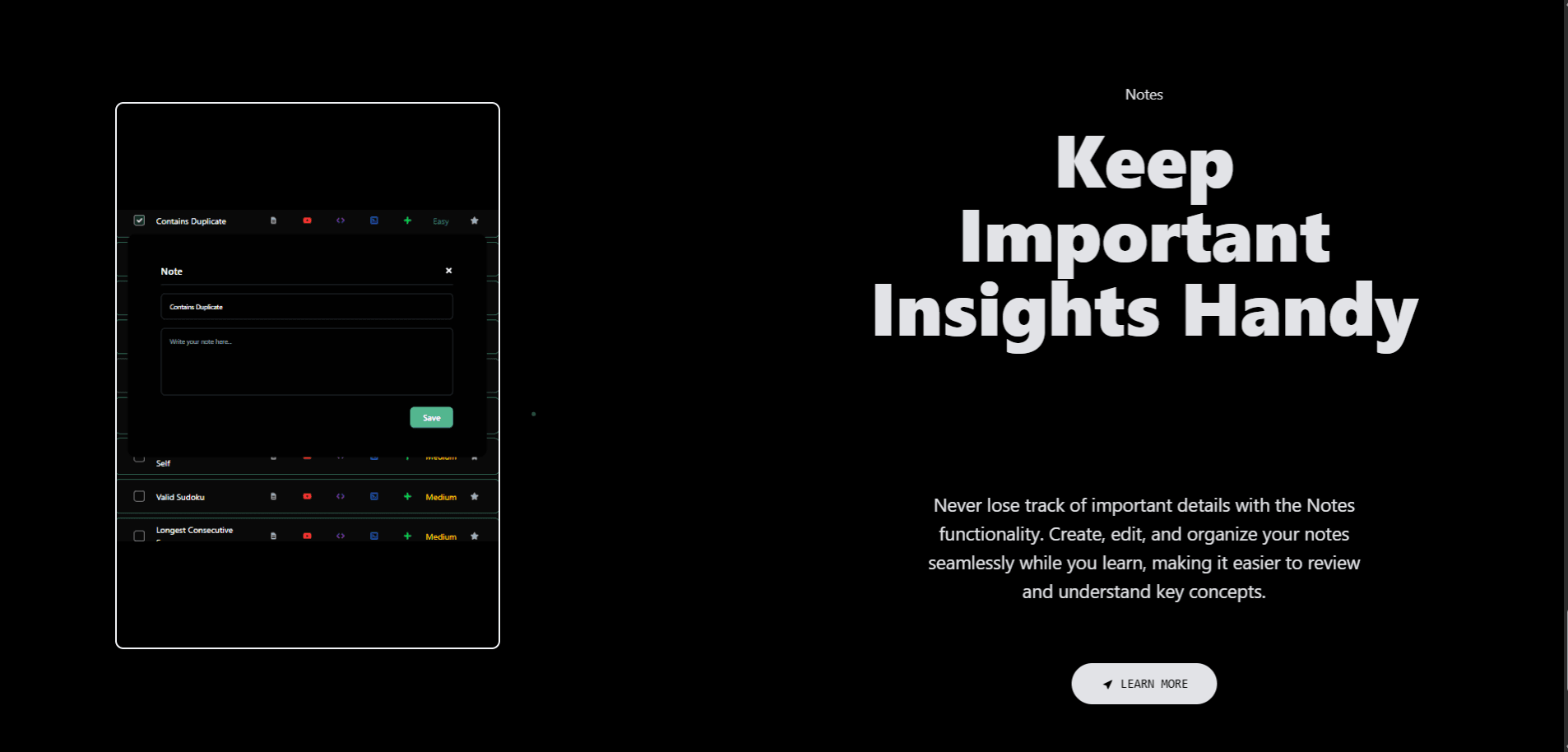
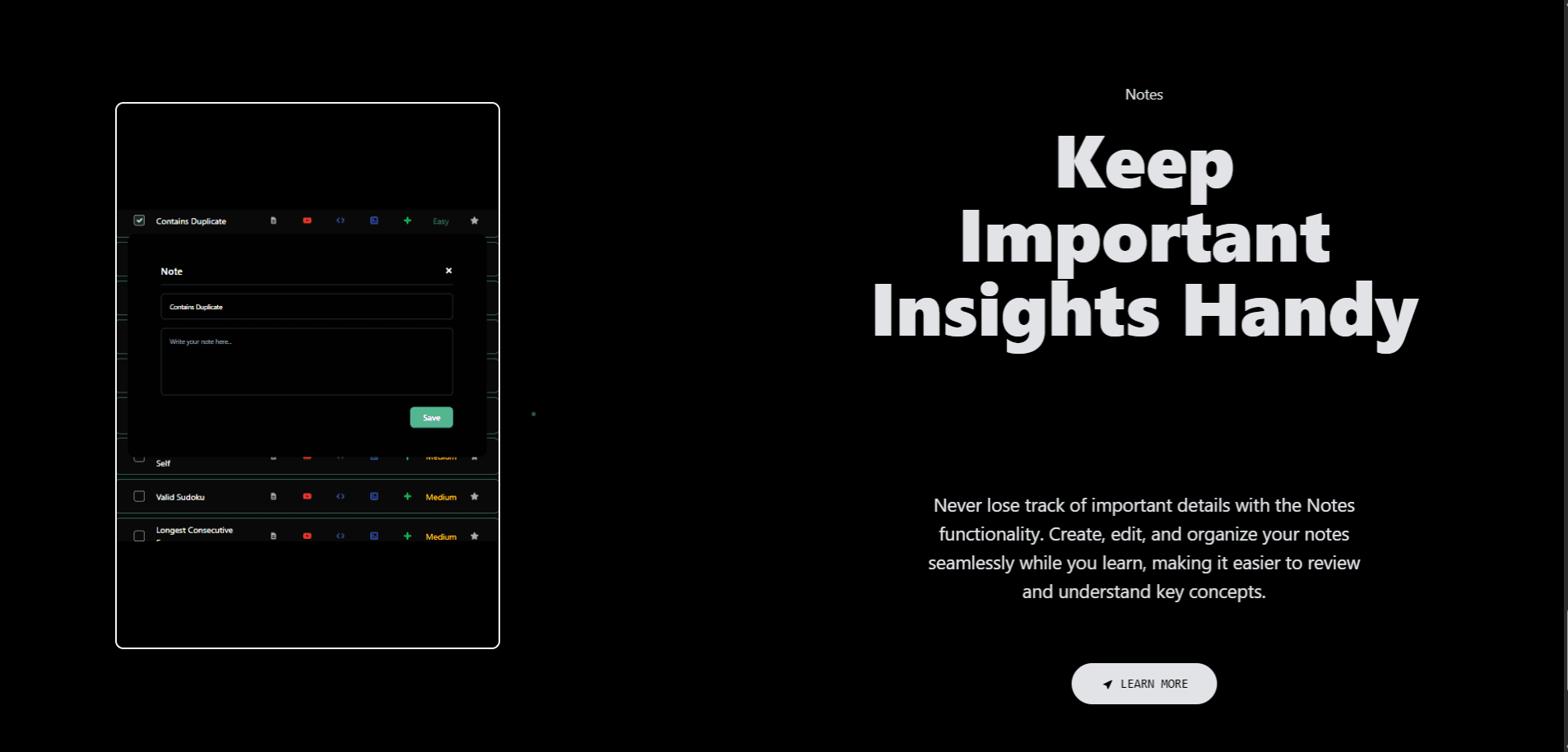
Students can mark progress, save a note against a question and collect problems for revision. A profile view summarises their work across topics, making it easier to resume a study session.
Notes stay attached to the question
A student's reasoning is stored against the relevant problem instead of getting lost in a separate document.
Revision is a separate action
A solved question can still belong on a revision sheet, so completion does not remove it from future practice.
From a topic to a revision session
Topic roadmap
The student chooses an area of DSA to practise.
Question catalog
A shared question connects explanations and practice links.
Personal study state
Django stores completion, notes and revision choices per user.
Return and revise
The profile and revision sheet help the student resume.
Data model
Django models the question catalog and the user's progress as separate entities. Notes and revision entries relate a user to a question, while topic-completion records support the summary view.
This structure gives the interface more useful questions to ask than a single overall score: which topics have been practised, which problems need another attempt, and what did the student write last time?
Outcome
Students can follow a topic sequence, record progress and return to their notes and revision list. Each question brings its learning resources and personal study history together.
The React interface and Django data model support the study workflow from choosing a topic to recording progress and saving questions for revision. Personal notes stay attached to each question when the student returns.
CODEX gallery
A closer look at the product and its workflows.